The Great Bermuda Grass Debate: Is It the Savior of East African Lawns or a Green Menace?
The Great Bermuda Grass Debate: Is It the Savior of East African Lawns or a Green Menace?
If you’ve ever tried to maintain a pristine, emerald-green lawn in East Africa, you know it’s less of a relaxing weekend hobby and more of a full-contact sport. Between the scorching equatorial sun, unpredictable dry spells, and soil that sometimes feels like it was imported directly from a brick factory, your dreams of hosting a perfect garden party can quickly wither into a dusty, brown reality.
Enter Bermuda grass (Cynodon dactylon).
You’ve probably heard the rumors. Some landscapers whisper its name with reverence, calling it the bulletproof vest of the turf world. Others curse it as an unstoppable green goblin that will swallow your flowerbeds whole if you turn your back for five minutes.
So, what’s the truth? Is Bermuda grass the landscaping hero East Africa needs, or the villain we invited into our yards? Grab a cold drink, find a comfortable (preferably shaded) chair, and let’s dive deep—really deep—into the subtly hilarious, high-maintenance, deeply rewarding world of Bermuda grass.
Part 1: What Exactly is Bermuda Grass? (And Why is it Here?)
First, let’s clear up a massive geographical misunderstanding: Bermuda grass is not originally from Bermuda. It’s actually native to the savannas of Africa and the sunny plains of India. Yes, it’s an African native that somehow got rebranded with a Caribbean vacation-sounding name. It’s the botanical equivalent of a guy named "Kevin from Nairobi" moving to the Bahamas and insisting everyone call him "Island Kev."
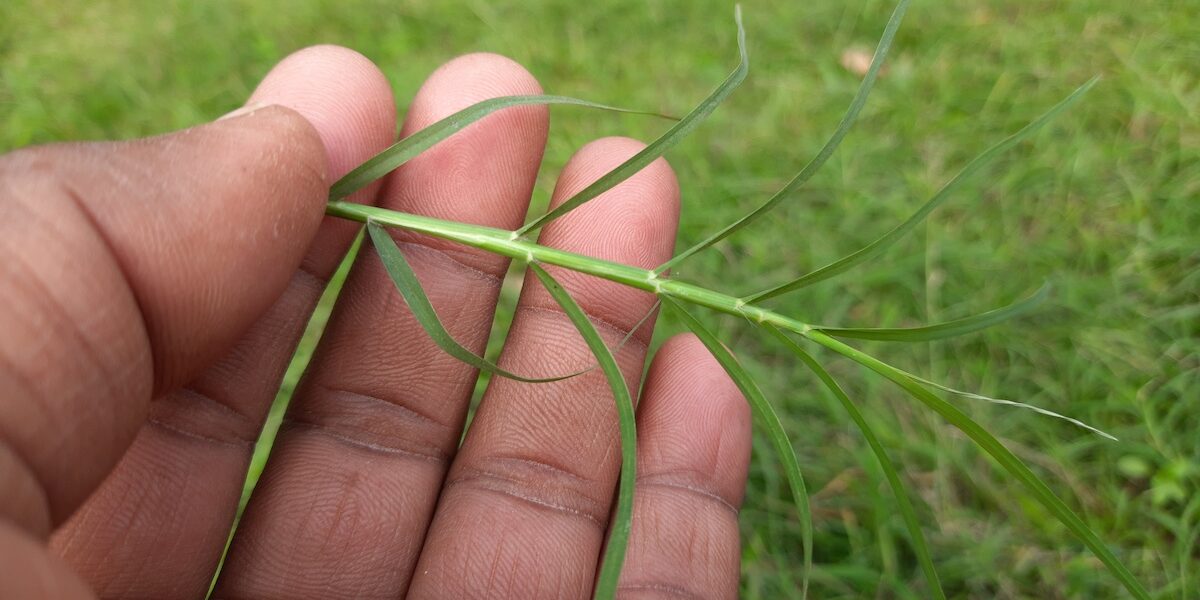
Bermuda grass is a warm-season turfgrass. This means it thrives when the sun is blazing and temperatures are soaring (ideally between 25°C and 35°C). It spreads using a dual-threat system of stolons (above-ground creeping stems) and rhizomes (below-ground creeping roots). This aggressive spreading mechanism is the source of both its greatest superpower and its most frustrating flaw.
When you plant Bermuda grass, you aren't just planting a lawn; you are unleashing a highly motivated, fast-moving botanical army.
Part 2: The Emphatic Pros of Bermuda Grass in East Africa
There’s a reason Bermuda grass is a staple for golf courses, sports fields, and high-end residential estates from Mombasa to Kampala. Let’s look at why you might want to roll out the green carpet.
1. It Eats Heat for Breakfast
If your garden feels like an open-air oven by 2:00 PM, Bermuda grass will thank you. While cool-season grasses will dramatically faint at the first sign of a heatwave, Bermuda throws on sunglasses and asks for more. It is remarkably heat-tolerant, making it perfect for the coastal regions of Kenya and Tanzania, the hotter lowlands, and basically anywhere the sun feels like it has a personal vendetta against plants.
2. The Drought-Resistance Superhero
Water is a precious commodity in East Africa, and water rationing is a reality we all know too well. Once Bermuda grass establishes its incredibly deep root system (which can reach up to 6 feet down if soil permits), it becomes highly drought-resistant. During an extended dry spell, it might go dormant and turn a little brown—think of it as taking a tactical nap—but the moment it rains, it resurrects itself faster than you can say "El Niño."
3. Ultimate Wear-and-Tear Champion
Do you have children who think the yard is a professional football pitch? Do you own three golden retrievers? Do you frequently host outdoor parties where people wear questionable footwear? Bermuda grass does not care. It has the highest wear tolerance of any turfgrass. Because it grows so aggressively from both its rhizomes and stolons, it repairs its own bald patches automatically. If your lawn is a battlefield, Bermuda is the tank.
4. Natural Weed Suppression
Because Bermuda grass forms such a dense, thick mat, it acts as a natural bouncer against weeds. Most weed seeds simply can’t reach the soil to germinate. It’s a very exclusive botanical nightclub, and dandelions are definitely not on the guest list.
5. Salinity Tolerance
If you live near the vibrant East African coast—perhaps in Malindi, Kilifi, or Dar es Salaam—you know that salty sea breezes and mildly saline soils can murder ordinary plants. Bermuda grass is impressively salt-tolerant, allowing you to have a lush lawn right up to the beach house patio.
Part 3: The Not-So-Secret Cons (Or, Why Bermuda Grass Might Drive You Slightly Mad)
Now, let’s take off the rose-tinted glasses. Bermuda grass is not a "plant it and forget it" kind of organism. It’s more like adopting a high-energy puppy: it’s beautiful, it’s robust, but if you don’t discipline it, it will destroy your house.
1. The Invasive "Neighborhood Bully" Routine
Remember those creeping stolons and rhizomes we mentioned? They don't respect boundaries. Bermuda grass does not care where your lawn ends and your prized rose garden begins. It will boldly march into your flowerbeds, infiltrate your vegetable patch, effortlessly climb over concrete curbs, and eventually try to enter your living room if you leave the back door open. Keeping Bermuda confined requires strict edging, physical barriers, and the eternal vigilance of a border patrol agent.
2. It’s a Prima Donna About Shade
Bermuda grass is a sun-worshipper of the highest order. It requires a minimum of 6 to 8 hours of direct, unfiltered sunlight every single day. If you have a yard full of beautiful, mature Acacia or Baobab trees casting lovely, cooling shade… Bermuda grass will absolutely hate it. It will thin out, get leggy, and eventually die in shaded areas, leaving you with sad, patchy dirt.
3. High Maintenance: The "Divorce-Inducing" Mowing Schedule
During the rainy season, when the heat and moisture align perfectly, Bermuda grass grows with terrifying speed. To maintain that tight, manicured "golf course" look, you can’t just mow it once every two weeks. You might have to mow it every 3 to 5 days. If you go on an extended safari and come back two weeks later, your lawn might be tall enough to hide small wildlife.
4. The Winter (Cool Season) Blues
While East Africa doesn't freeze, areas in the highlands (like Nairobi, Mount Kenya region, or the highlands of Rwanda) can get quite chilly, especially in June and July. When temperatures drop, Bermuda grass sulks. It slows its growth to a crawl and can lose its vibrant color, shifting into a dull yellow or brown dormancy. It’s not dead—just taking a deeply un-aesthetic winter break.
Part 4: Establishing a Bermuda Lawn in East Africa
If you’ve weighed the pros and cons and decided you have the stamina to tame the beast, how do you get started?
Seed vs. Sod vs. Sprigs
You have three main options for establishing a Bermuda lawn:
Seed: This is the cheapest method but requires the most patience. Bermuda seed needs warm soil to germinate and must be kept constantly moist. In East Africa, planting just before the long rains is usually the best strategy. Note: Common Bermuda from seed is often coarser than the fancy hybrids.
Sod (Turf Rolls): Highly recommended if you have the budget. It gives you an instant, weed-free lawn. It’s like buying a fully assembled piece of furniture instead of arguing over IKEA instructions.
Sprigs/Plugs: This involves planting small pieces of grass or roots. It’s cheaper than sod but takes longer to fill in entirely.
Soil Preparation
Bermuda isn't incredibly picky about soil—it can handle sandy coastal soils and heavier clay—but it demands good drainage. It hates "wet feet." Before planting, ensure your soil is leveled, properly drained, and perhaps enriched with some organic compost. A slightly acidic to neutral pH (6.0 to 7.0) is its sweet spot.
Part 5: The High-Octane Maintenance Guide
So you have your Bermuda lawn. It’s green, it’s lush, and it’s currently attempting to conquer your driveway. Here is how you keep it looking like a resort rather than a jungle.
Mowing Rules
To get that dense, carpet-like feel, Bermuda should be cut low. Depending on the specific cultivar (like Tifway 419 or TifSport), the ideal height is usually between 1 to 2 inches (2.5 to 5 cm).
The One-Third Rule: Never cut off more than one-third of the grass blade height in a single mowing. If you let it get too tall and hack it down all at once, you will cut into the brown stems, leaving your lawn looking like a scorched earth battlefield for a week.
Sharp Blades: Ensure your mower blades are razor-sharp. Dull blades tear the grass, creating white, frayed tips that make the lawn look sick.
Watering: The Illusion of Drought Tolerance
Yes, Bermuda is drought-tolerant, meaning it won’t easily die from lack of water. But if you want it to remain green, you have to water it.
Deep and Infrequent: The golden rule of East African watering. Don't sprinkle it lightly every day. Instead, water it deeply (about 1 inch of water) once or twice a week. This forces the roots to dive deep into the soil searching for moisture, making the grass even more resilient.
Feeding the Beast (Fertilization)
Bermuda grass is a nitrogen junkie. Because it grows so fast, it depletes soil nutrients aggressively. During its peak growing season (the warm, rainy months), it demands regular feeding.
Use a high-quality, nitrogen-rich fertilizer.
Do not over-fertilize during the cooler months when the grass is trying to sleep, or you’ll just be feeding weeds.
Aeration and Dethatching
Because it grows via a dense network of runners, Bermuda grass naturally builds up "thatch"—a layer of dead stems and roots between the green grass and the soil.
Dethatching: Once a year (ideally before the rainy season), you’ll need to aggressively rake or use a vertical mower to pull this dead material out so water and air can reach the soil.
Core Aeration: Punching holes into the soil helps relieve compaction, especially in high-traffic areas.
Part 6: Bermuda vs. The East African Alternatives
How does Bermuda stack up against the other usual suspects found in Kenyan, Ugandan, and Tanzanian gardens?
Bermuda vs. Kikuyu Grass
Ah, the ultimate showdown. Kikuyu grass (Pennisetum clandestinum) is the reigning champion of the East African highlands.
Temperature: Kikuyu loves the cooler, high-altitude climates (like Nairobi or the Rift Valley). Bermuda prefers the sweltering heat (like Mombasa or Kisumu).
Invasiveness: Kikuyu is arguably more aggressive and thicker.
Texture: Bermuda is finer and creates a smoother, more elegant "carpet" look, whereas Kikuyu is robust, thick, and slightly spongy. Verdict: If you live above 1,500 meters altitude, go with Kikuyu. If you live below, Bermuda is your best friend.
Bermuda vs. Zimbabwe Grass
Zimbabwe grass (often related to Dactyloctenium or specialized Paspalum varieties) is popular for being slightly less aggressive than Bermuda.
Shade: Zimbabwe grass can handle a little more shade than Bermuda.
Maintenance: It generally requires slightly less mowing. Verdict: If you have a yard with lots of trees, pick Zimbabwe. If you have an open sunlit arena, Bermuda wins.
Bermuda vs. Arabic Grass (Maadi River)
Arabic grass is the diva of the landscaping world. It has a beautiful, fine, deep-green texture that feels like a Persian rug.
Traffic: Arabic grass cannot handle heavy foot traffic. If a dog looks at it the wrong way, it dies. Bermuda can host a rugby match and bounce back by Tuesday.
Shade: Arabic grass actually prefers partial shade. Verdict: Use Arabic grass for purely ornamental, shaded display areas. Use Bermuda for the areas where life actually happens.
Part 7: Landscaping Design Ideas Featuring Bermuda Grass
Since Bermuda demands full sun and crisp edges, how should you incorporate it into a broader landscape design?
1. The Clean Minimalist Estate
Because Bermuda can be mowed very low, it pairs beautifully with modern, minimalist architecture. Use stark white retaining walls, geometric concrete pavers, and a perfectly flat expanse of Bermuda grass. The contrast between the rigid hardscaping and the finely textured green turf is stunning.
2. The Resort-Style Pool Deck
Bermuda is fantastic around swimming pools. Its high salt and chlorine tolerance means splashed pool water won't kill it instantly. Furthermore, its dense mat prevents mud from being tracked onto the pool deck. Just make sure you have a solid concrete or stone border to stop it from creeping into the pool tiles!
3. The Active Family "Zoning"
Designate the wide-open, central, sunniest part of your garden as the "Activity Zone" and plant it entirely with Bermuda. Border this area with a deep, physical trench edge (at least 4 inches deep) and line the perimeter with shade-giving trees and shrubs. Keep the Bermuda out of the shaded perimeter beds.
Part 8: Troubleshooting: Pests, Plagues, and Problems
Even Superman has kryptonite. Here are a few things that can take down a Bermuda lawn in East Africa.
Armyworms
These little caterpillars are the bane of the East African landscape. They march in literal "armies" and can chew a lush green Bermuda lawn down to bare brown stems in 48 hours. The Fix: Keep an eye out for sudden brown patches and birds pecking excessively at your lawn. Treat immediately with an appropriate biological or chemical insecticide suitable for turf.
Fungal Diseases (Brown Patch and Dollar Spot)
Usually caused by watering late in the evening (leaving the grass wet overnight) or poor soil drainage. The Fix: Always water your lawn in the early morning so the sun can dry the blades. Aerate the soil to improve drainage, and apply a fungicide if the problem persists.
The "Mutant Weed" Invasion
Sometimes, despite Bermuda’s thick mat, stubborn weeds like Nutgrass (Nutsedge) or broadleaf weeds break through. The Fix: Maintain a healthy, thick lawn through proper fertilizing and mowing—this is your first defense. For tough weeds, use selective herbicides designed specifically for warm-season grasses (always read the label, as some weed killers will kill Bermuda too!).
Part 9: Frequently Asked Questions (The TL;DR Section)
Q: Will Bermuda grass grow in the shade? A: No. It will try, it will fail, and it will leave you with a patch of dirt and sadness. It needs 6-8+ hours of direct sun.
Q: Can I plant Bermuda grass from seed? A: Yes, but it requires patience and excellent soil moisture management. Sodding is faster and yields a more uniform, weed-free lawn immediately.
Q: Why is my Bermuda grass turning brown in July? A: If you live in a cooler region (like parts of Nairobi), it’s likely entering winter dormancy. It will green up again when the weather warms up. If you live in a hot region and it's brown, you either have armyworms or you aren't watering it deeply enough.
Q: How do I stop it from invading my flower beds? A: Chemical edging (careful use of non-selective herbicides along the border) or physical edging (installing metal, concrete, or thick plastic barriers that go at least 4-6 inches deep into the soil).
Q: Is Bermuda grass good for dogs? A: It is arguably the best grass for dogs. It repairs itself so quickly from urine spots and heavy running that it’s the preferred choice for pet-heavy households.
Final Thoughts: The Verdict on Bermuda Grass
So, is Bermuda grass the right choice for your East African landscape?
If you want a low-maintenance, "plant it and forget it" garden, step away from the Bermuda grass immediately. It will sense your weakness, overgrow your walkways, and make you miserable.
However, if you want a lawn that looks like the 18th hole of a championship golf course; if you want a yard that your kids and dogs can play on without turning it into a mud pit; and if you have full, blazing equatorial sun and the dedication to mow it frequently… then Bermuda grass is absolutely unmatched.
It requires a master, but if you put in the work, Bermuda grass will reward you with one of the most resilient, vibrant, and stunning lawns possible in the East African climate. Now, go sharpen those mower blades—you’re going to need them.
Looking to install a beautiful lawn or need professional help taming the Bermuda beast in your garden? Contact the experts at Ziva Landscaping Co. today. We know how to keep the green exactly where it belongs.
Conversations
1 thoughtJoin the conversation
Share your experiences or ask a question